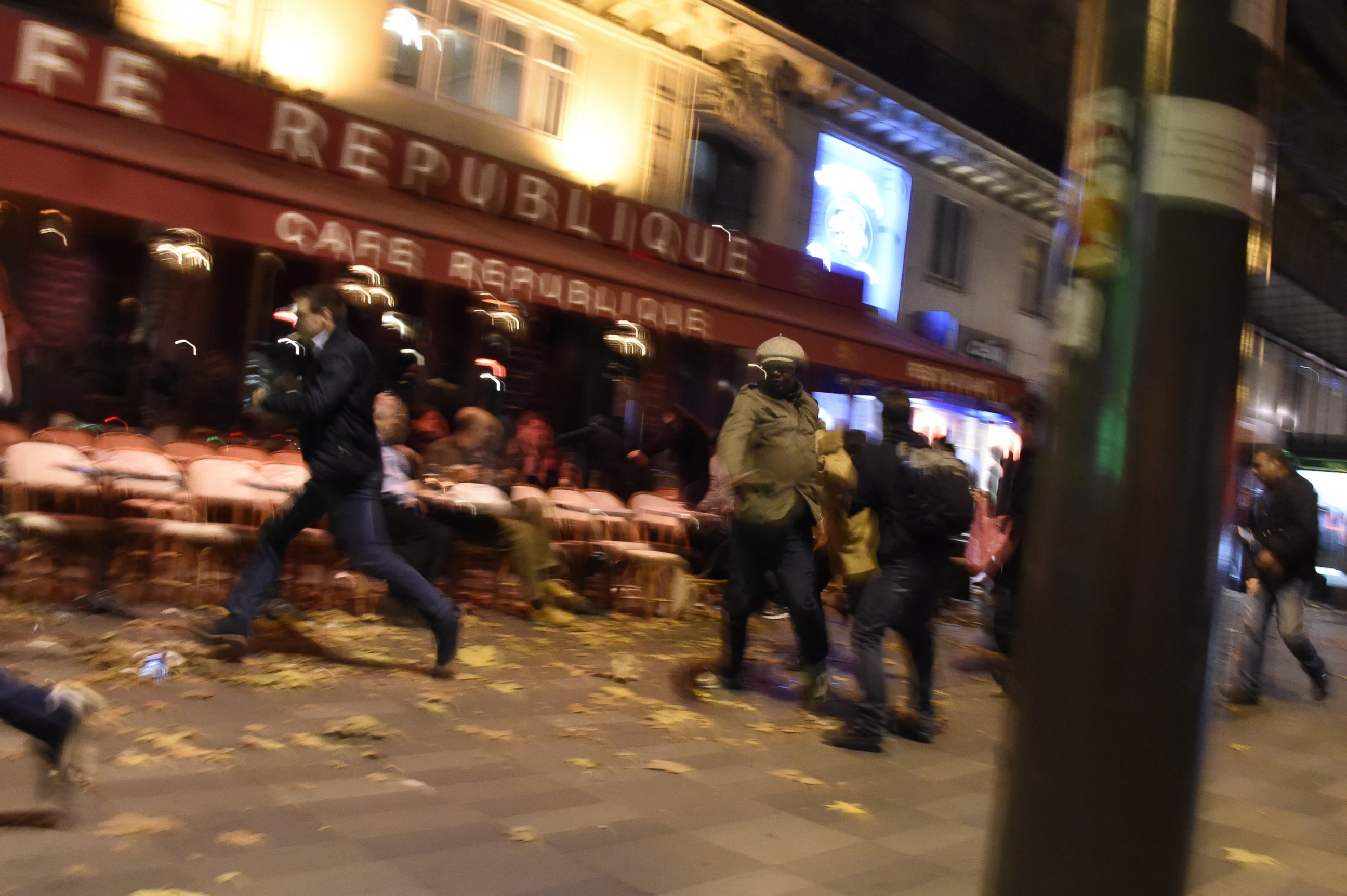
The Paris attacks of November 2015 were a coordinated wave of terrorist violence carried out on the night of Friday, November 13, across the French capital and its northern suburb of Saint-Denis. Three teams of armed attackers, several wearing suicide vests, struck six locations within the span of about four hours, killing 130 people and injuring more than 400 others. It remains the deadliest attack on French soil since World War II.
The operation was tightly coordinated: between 9:16 PM that Friday and 12:58 AM the following morning, nine attackers split into three cells carried out near-simultaneous shootings and bombings across the city, culminating in a hostage siege at the Bataclan concert hall that lasted for hours before police stormed the building.
Minute by Minute
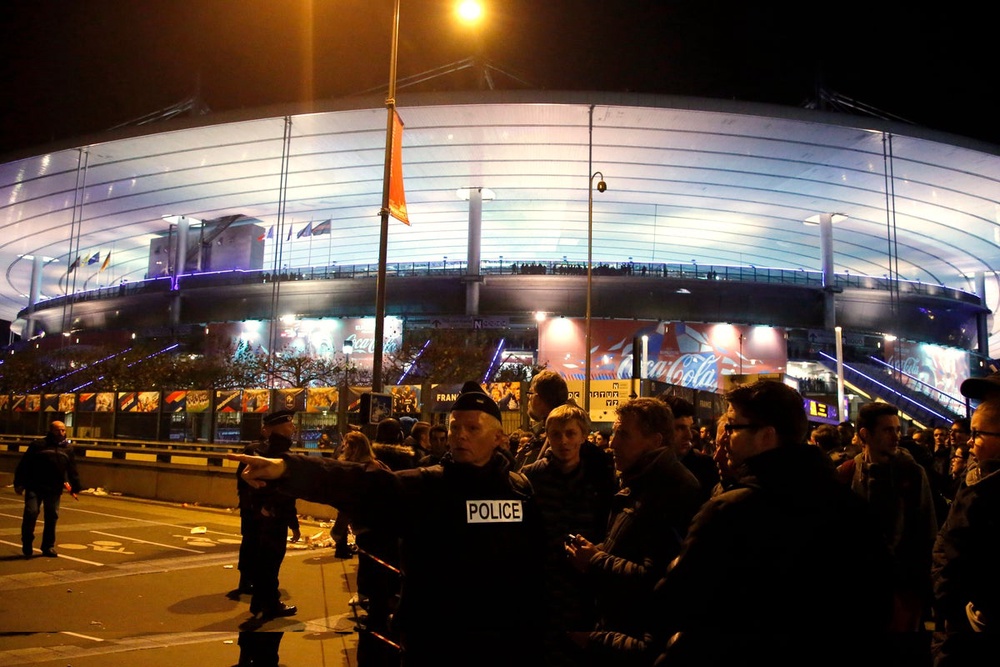
The first suicide bomber detonates his vest outside the Stade de France, where France was hosting Germany in a friendly football match attended by President François Hollande.
Gunmen open fire outside a restaurant on Rue Bichat, in the city's 10th arrondissement.
A second suicide bomber detonates near the Stade de France. At roughly the same time, attackers open fire on the bars Le Carillon and Casa Nostra nearby.
Gunmen open fire on restaurant terraces along Rue de Charonne, in the 11th arrondissement.
Three gunmen force their way into the Bataclan concert hall, where the American band Eagles of Death Metal is performing to a sold-out crowd, and open fire on the audience.
A third suicide bomber detonates near the Stade de France.
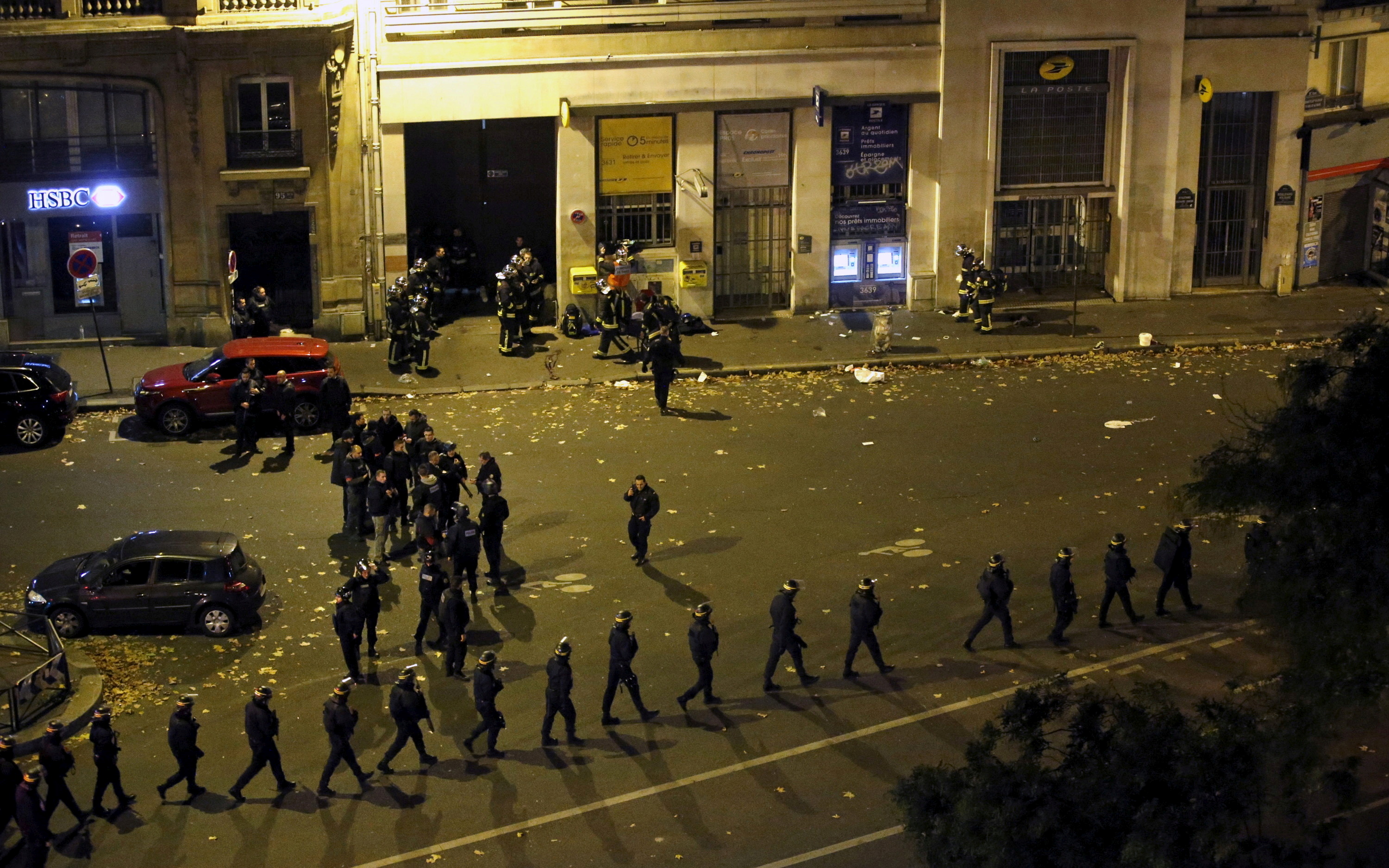
Inside the Bataclan, the attackers take hostages and barricade themselves as police begin surrounding the venue.
French police special forces storm the Bataclan.
The assault on the Bataclan concludes; all three attackers inside are killed, ending the siege roughly three hours after it began.
What Happened Next
Within hours, President Hollande declared a nationwide state of emergency and ordered France's borders temporarily closed. Paris shut down major public spaces — the Eiffel Tower went dark, and schools, museums and markets across the city stayed closed the following day. Hospitals across the city were placed on emergency footing to handle the wounded, and the government declared three days of national mourning.
Investigators quickly linked the attacks to the Islamic State group, which claimed responsibility, and identified Abdelhamid Abaaoud, a Belgian national fighting with the group in Syria, as the operation's field coordinator. Days later, on November 18, French police carried out a raid in Saint-Denis that ended in a shootout and explosions, killing Abaaoud along with two other suspects. One of the attackers involved in the Bataclan and Stade de France attacks, Salah Abdeslam, fled the scene the night of the attacks and evaded capture for months, eventually arrested in Brussels in March 2016 after a manhunt that spanned Belgium and France.
In response, France intensified its military campaign against the Islamic State in Syria and Iraq, and the attacks triggered a wave of vigils and solidarity gatherings around the world, with landmarks from the Sydney Opera House to One World Trade Center lit in the colors of the French flag. Years later, in 2021 and 2022, a lengthy trial in Paris involving Abdeslam and 19 other defendants ended with Abdeslam convicted and sentenced to life in prison without the possibility of parole — the harshest sentence available under French law.
The Security Measures That Followed
As a direct consequence of the attacks:, the French government made lasting changes to its national security setup
- State of emergency: Declared immediately after the attacks and kept in place for close to two years.
- Permanent anti-terrorism law: Passed in 2017, folding many of the state of emergency's exceptional powers into standing legislation.
- Reorganized intelligence services: France strengthened its intelligence agencies and created a dedicated counterterrorism task force to improve coordination between them.
Nearly a decade on, the events of November 13, 2015 remain a turning point for French security policy, with lasting effects on Europe's counterterrorism framework and how governments across the continent plan for and respond to attacks of this kind.