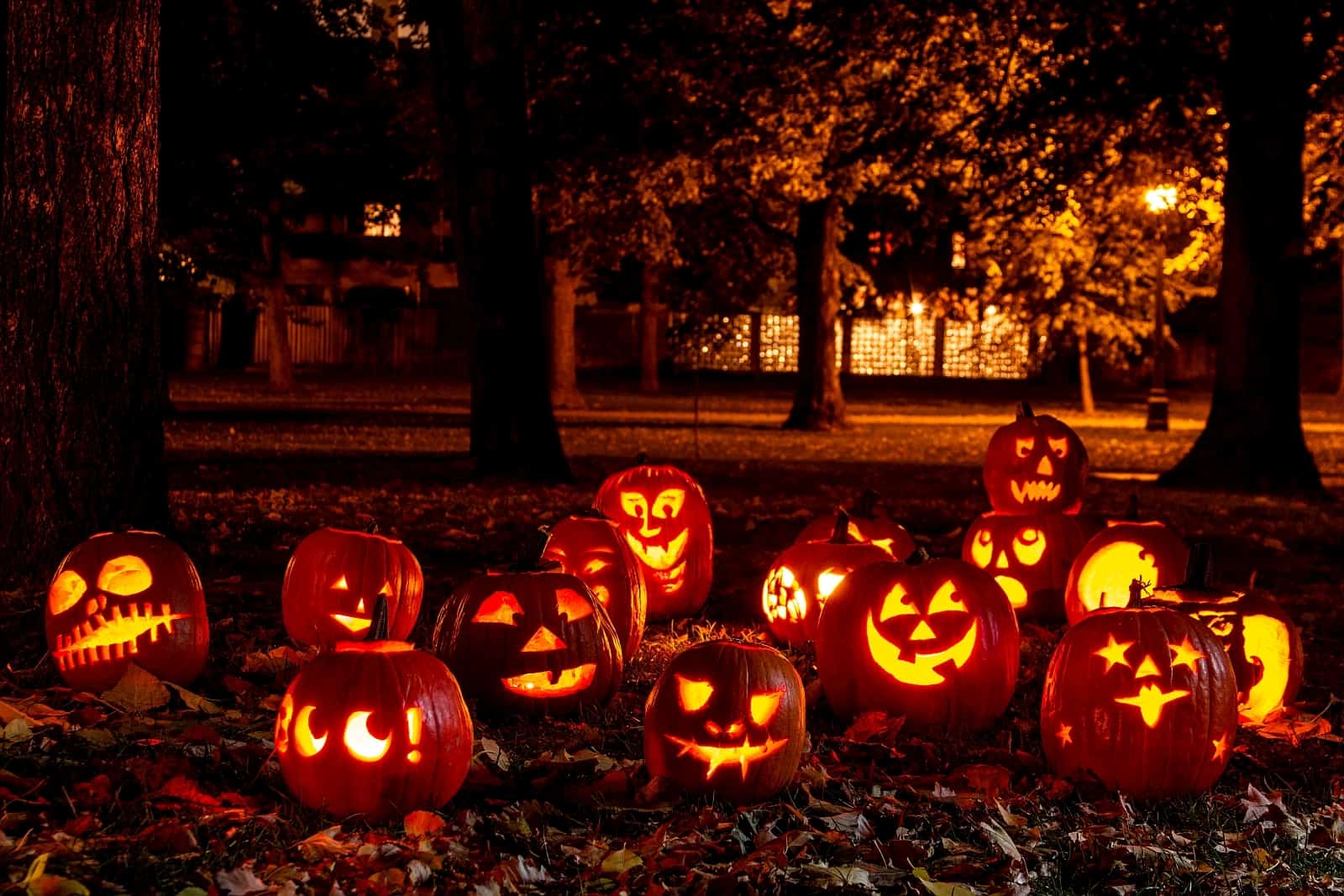
Halloween lands on October 31 every year, and it's one of the most anticipated holidays on the calendar for kids and adults alike. Dressing up in costume is its single most recognizable tradition worldwide — and it actually has a very specific historical explanation. Here's where Halloween really comes from, and why putting on a costume became such a core part of it.
The History of Halloween
Halloween's roots trace back roughly 2,000 years, to around 1000 BCE, to a festival the ancient Celts called Samhain (pronounced "sah-win"), meaning "summer's end" in Old Irish. Samhain marked the close of the harvest season and the start of the Celtic new year, and it was celebrated on the night of October 31 across Ireland, Scotland and parts of northern France.
The Celts believed that on that one night, the boundary between the world of the living and the world of the dead grew thin enough for spirits to cross over and walk among the living. One widespread custom was setting out banquets, or leaving food at the graves of deceased relatives, to honor the dead and keep them appeased.
So Why Did People Start Wearing Costumes?
According to Celtic tradition, people disguised themselves — often in animal skins and heads — specifically to avoid being recognized or harassed by the spirits believed to be wandering the earth that night. The idea was simple: if a wandering spirit couldn't tell you were human, it would leave you alone. That one practical bit of folk superstition is the direct ancestor of the modern Halloween costume.
From Ireland to America
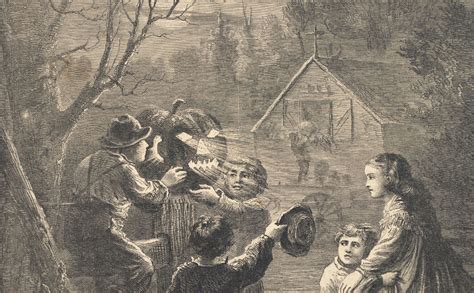
There's a common misconception that Halloween is an American invention, but that isn't quite right. The holiday only reached the United States and Canada because of 19th-century Irish immigrants, who brought Samhain traditions with them — especially after the wave of immigration driven by the Great Famine in the 1840s. Once in America, the holiday gradually drifted away from its original religious and seasonal meaning and became more of a community and children's tradition.
Halloween didn't become a large-scale, organized celebration in North America until 1921, when the town of Anoka, Minnesota, held what's considered the first official Halloween parade, largely as a way to channel rowdy Halloween pranking into something more festive and community-oriented. From there, its popularity grew steadily over the following decades, and by the 1970s, movies and television had turned it into a cultural export, spreading the holiday — and its imagery — well beyond English-speaking countries. Today, Halloween is celebrated in dozens of countries, though it remains most deeply rooted in the United States, Canada, the United Kingdom and Ireland.
Where the Jack-o'-Lantern Comes From
The carved pumpkin is almost as iconic as the costumes themselves, and it has its own Irish folklore behind it. According to legend, a trickster named "Stingy Jack" tricked the Devil multiple times and, after his death, was barred from both heaven and hell — left to wander the earth for eternity with only a burning coal inside a hollowed-out turnip to light his way. Irish immigrants carried the legend to America, but swapped turnips for pumpkins, which were larger, softer, and native to the continent — and far easier to carve.
How Trick-or-Treating Began
Trick-or-treating has its own separate roots in a medieval European custom known as "souling," in which poor people would go door to door on Hallowmas (November 1) offering prayers for the dead in exchange for food, particularly small pastries called "soul cakes." A related Scottish and Irish practice called "guising" had children dress in costume and visit homes in exchange for fruit, nuts or coins. Both traditions merged in North America over the 20th century into the trick-or-treating ritual recognized today, which only became standardized as a nationwide practice in the U.S. in the 1930s and 40s.
Halloween by the Numbers
Modern Halloween has also become a major commercial holiday: in the United States alone, consumer spending on Halloween — covering costumes, candy, decorations and parties — regularly surpasses $10 billion a year, according to industry retail surveys, making it one of the biggest non-gift-giving holidays on the calendar.