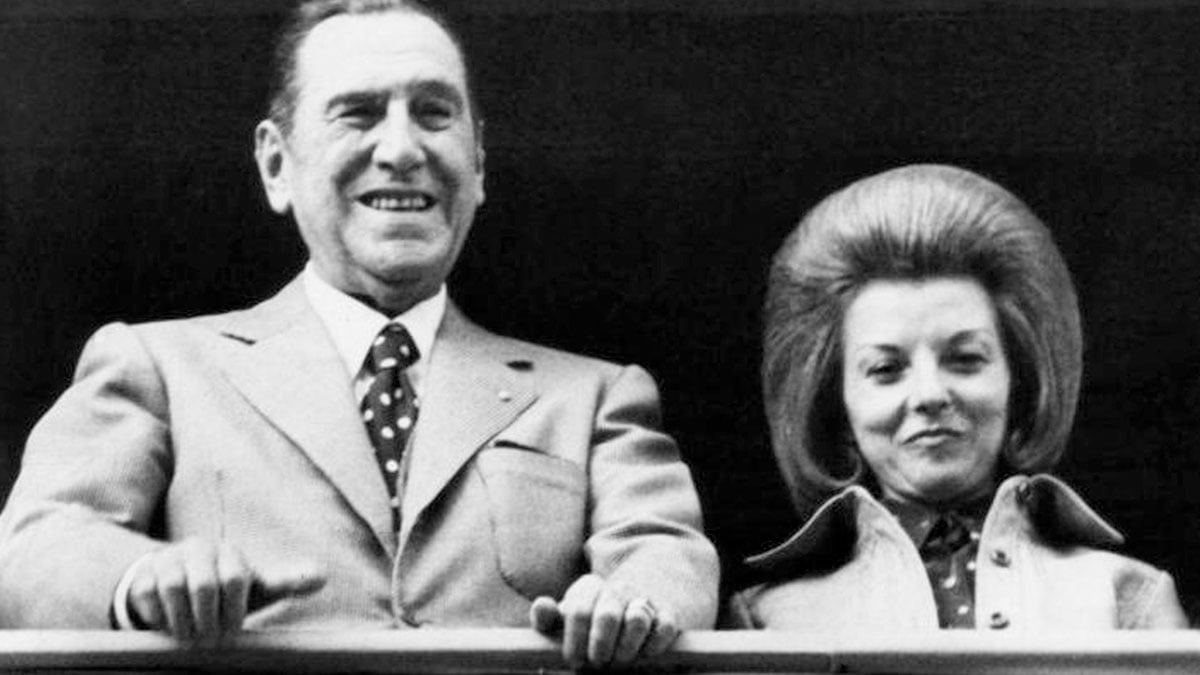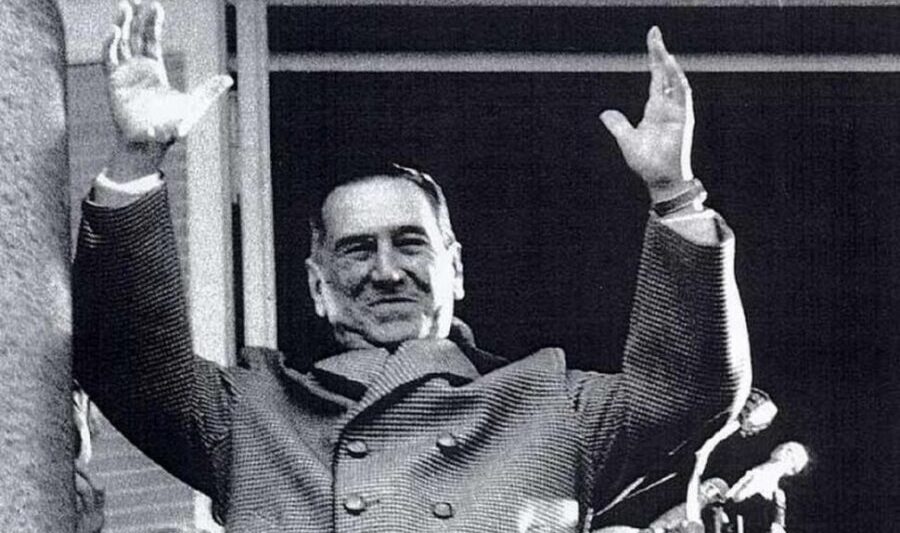
By the time Argentines went to the polls in 1973, Juan Domingo Perón hadn't set foot in his own country in nearly two decades — and, for most of that time, had been legally barred from Argentine politics altogether. What played out that year, in two separate elections and one violent homecoming, marked the end of one of the longest and most turbulent political bans in the country's history.
Eighteen Years Out of Power
Perón had governed Argentina as president since 1946, building a mass political movement around organized labor, social welfare and a fiercely loyal working-class base. In September 1955, a military uprising known as the Revolución Libertadora overthrew him, forcing him into exile. Peronism itself was formally banned soon after — its symbols outlawed, its candidates barred from running, even the mention of Perón's name restricted in public life for years. Perón spent the following period moving between Paraguay, Panama, Venezuela and the Dominican Republic before settling in Madrid, where he lived under the protection of Francisco Franco's government for most of the following decade and a half, continuing to direct Peronist politics back home by letter, tape recording and, eventually, phone.
By the early 1970s, Argentina's military government, led by General Alejandro Lanusse, was under mounting pressure — from strikes, guerrilla violence and a badly weakened economy — to hand power back to civilians. Lanusse's plan, known as the Gran Acuerdo Nacional, opened the door to elections but kept one condition firmly in place: Perón himself, due to residency requirements written into the rules, would not be allowed to run.
Cámpora, and the March 1973 Election
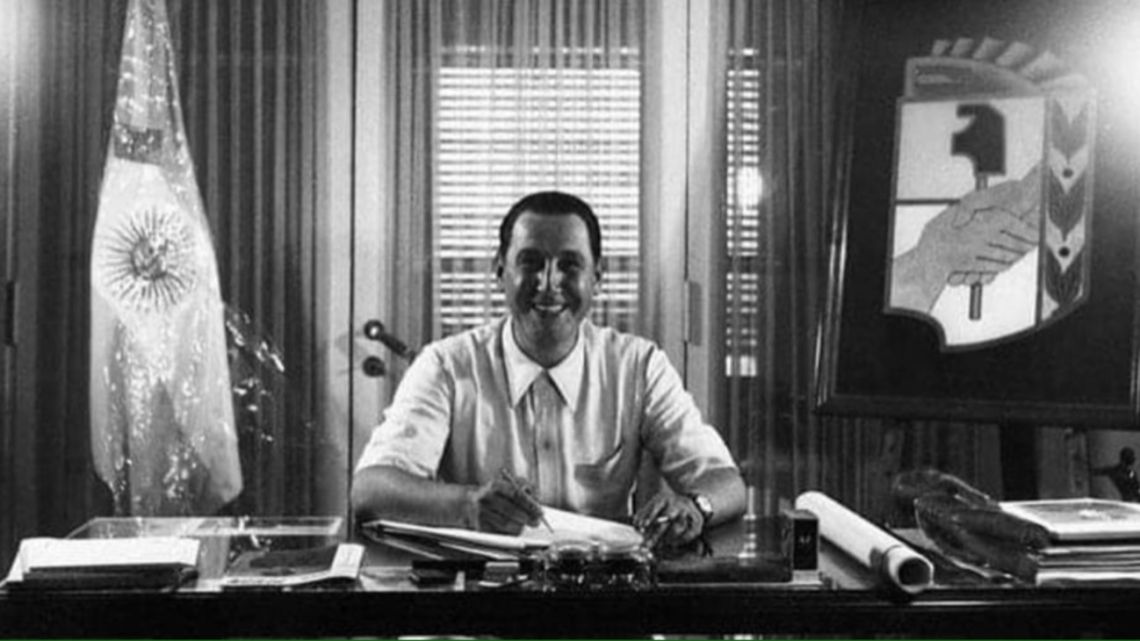
With Perón excluded from the ballot, the Peronist movement rallied around Héctor Cámpora, a longtime loyalist, as its presidential candidate under the campaign slogan "Cámpora al gobierno, Perón al poder" — Cámpora to the government, Perón to power. Running under the FREJULI coalition, Cámpora won the election held on March 11, 1973, with just under half the vote, enough to avoid a runoff. He was sworn in as president on May 25, 1973.
Perón's Return and the Ezeiza Tragedy
Weeks later, on June 20, 1973, Perón finally flew back to Argentina after eighteen years away. An enormous crowd — commonly estimated in the millions — gathered near Ezeiza International Airport outside Buenos Aires to welcome him home. But the day turned violent before he even landed: gunfire broke out near the stage set up to receive him, as armed groups aligned with the Peronist right opened fire on left-wing Peronist youth organizations gathered closer to the podium. The clash, which became known as the Ezeiza massacre, left dozens dead and hundreds wounded, and exposed a deep rift within the Peronist movement itself — between its left-wing and right-wing factions — that would shape Argentine politics violently over the following years.
Cámpora Steps Aside
Cámpora's presidency was always understood, inside the movement, as a placeholder. On July 13, 1973, less than two months after taking office, he resigned along with his vice president, Vicente Solano Lima, clearing the way for a new election — one in which the residency rule that had kept Perón off the ballot in March no longer applied.
The September 1973 Election
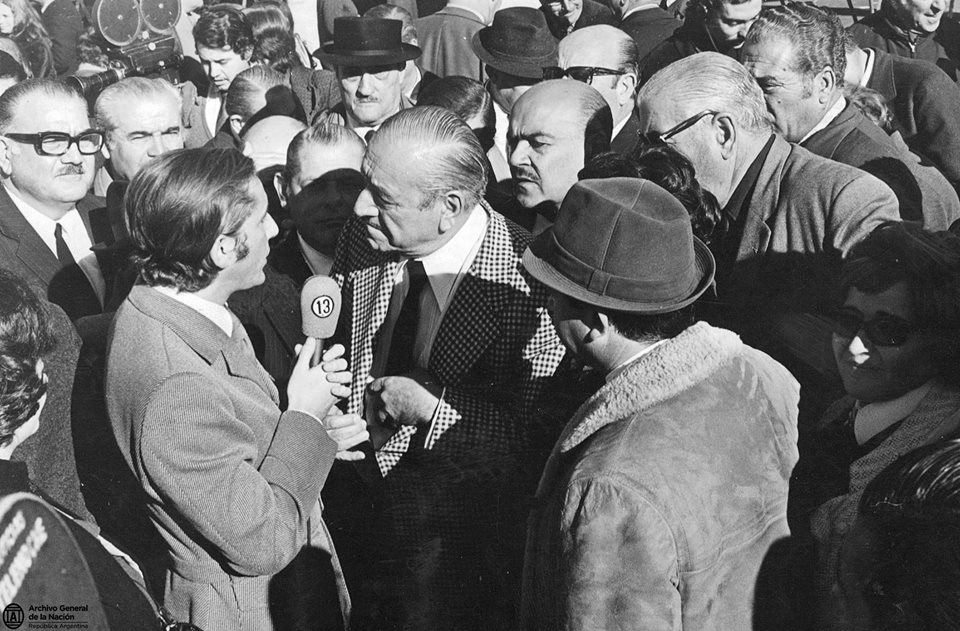
On September 23, 1973, Argentina held a new presidential election, with Perón himself now at the top of the ticket and his third wife, María Estela "Isabel" Martínez de Perón, running as his vice-presidential candidate. The ticket won in a landslide, taking more than 61% of the vote. Perón was sworn in as president for the third time on October 12, 1973 — a role he would hold for less than a year before his death in July 1974, after which Isabel Perón succeeded him as Argentina's first woman president.