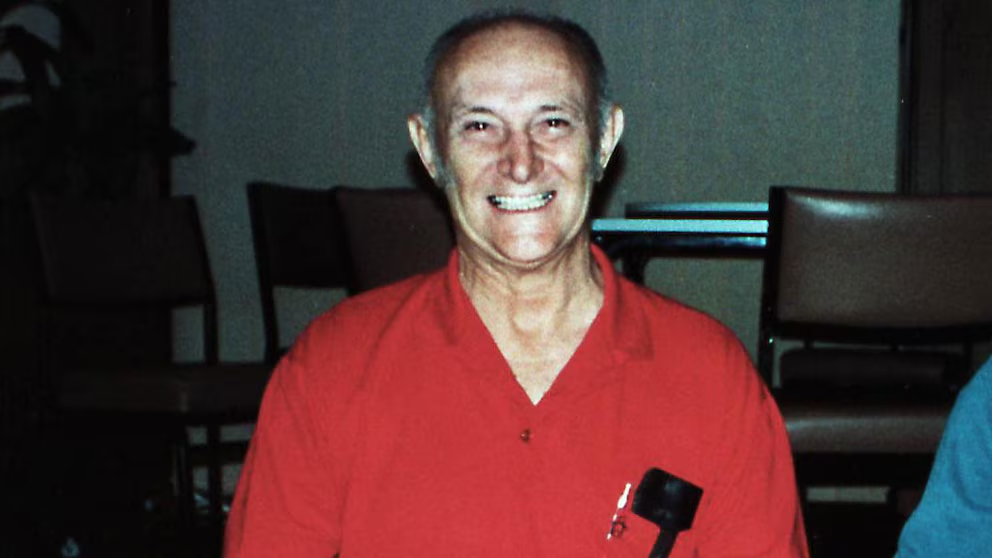
On September 22, 1996, Bob Dent, a 66-year-old Australian man with terminal prostate cancer, became the first person in the world to legally end his life through physician-assisted dying. He did so under the Northern Territory's Rights of the Terminally Ill Act — the first law anywhere to explicitly legalize voluntary euthanasia.
The law had taken effect on July 1, 1996, after the Northern Territory's Legislative Assembly passed it by a narrow margin the year before, following years of heated debate. It allowed a terminally ill adult — certified by more than one doctor as having no reasonable prospect of recovery, and cleared by a psychiatric evaluation to rule out treatable depression — to request medical assistance in ending their life.
Dent died at his home in Darwin, assisted by Dr. Philip Nitschke, a local physician who had become one of the law's most prominent public advocates. Before his death, Dent released a public statement criticizing what he saw as the cruelty of denying terminally ill patients like himself the right to choose the timing of their own death. His case drew international media attention, turning what had been a largely abstract legislative debate into a very public, personal story.
Three more Northern Territory residents used the law in the months that followed, before Australia's federal parliament voted in March 1997 to override it. Because the federal government holds constitutional authority over Australia's territories — a power it doesn't hold over the country's states — lawmakers were able to strike down the Northern Territory's law less than nine months after it had come into force, ending the world's first legal assisted-dying regime almost as quickly as it began.
Even though it was short-lived, the law set a lasting precedent. In the years since, voluntary assisted dying has been legalized in a growing list of countries and regions, including the Netherlands, Belgium, Canada, several U.S. states and, eventually, every state in Australia, starting with Victoria in 2017. Thirty years on, the questions Dent's case first put in front of the public — about autonomy, suffering and who gets to decide how a terminal illness ends — remain very much part of the global conversation.
Exclamation:Written with much respect and sensitivity, recognizing the importance of this topic and the need to approach it with dignity and empathy.