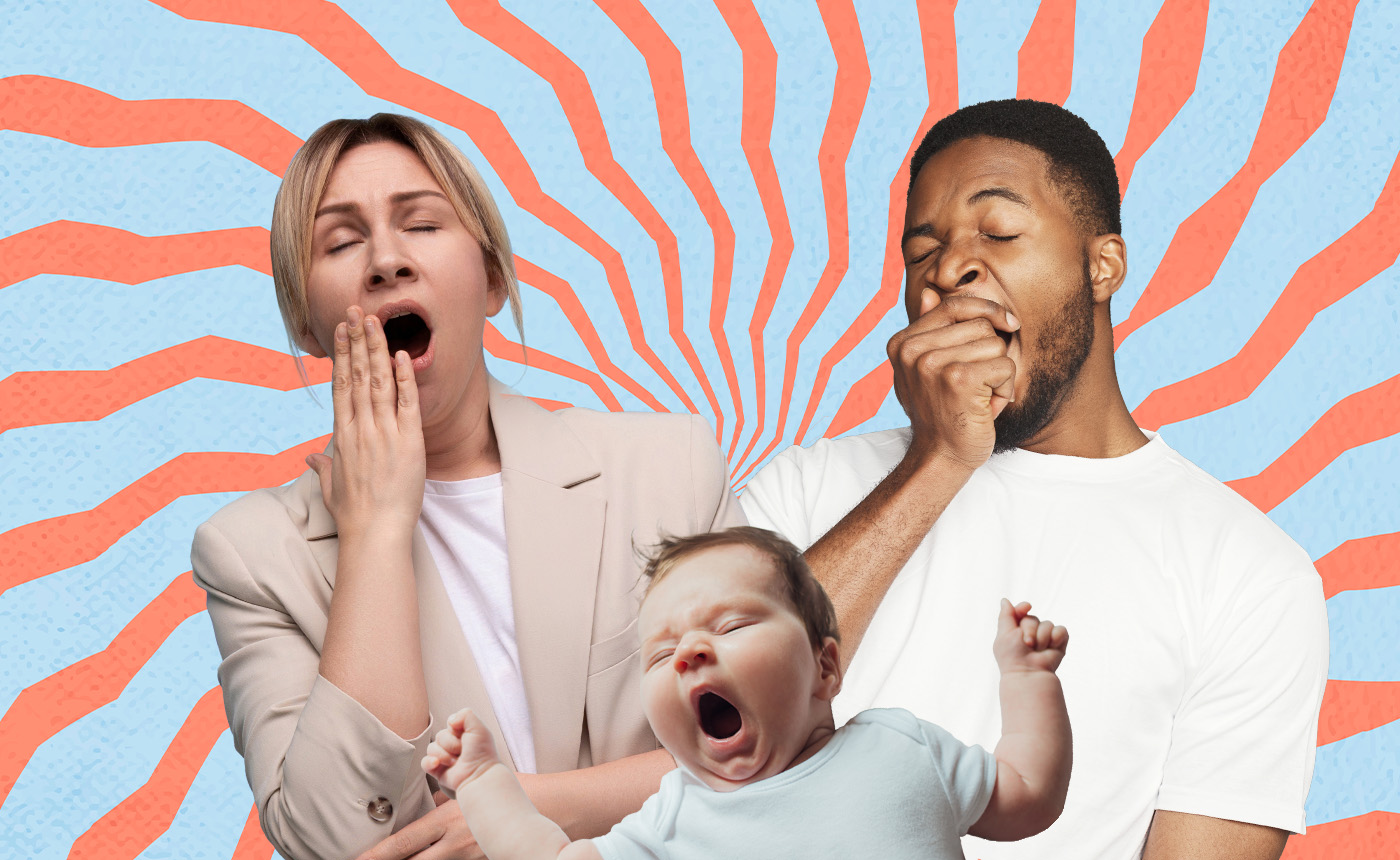
Yawning is one of the most common things a body does, and yet scientists still can't fully agree on what it's for. It starts before birth, it shows up across much of the animal kingdom, and it spreads from person to person with almost no effort. So what is actually going on?
What Happens When We Yawn
A yawn is a long, deep breath: the jaw opens wide, the lungs fill with air, and then the air is released more slowly. The whole thing lasts around six seconds on average. It also begins early. Ultrasound studies show that babies yawn in the womb, long before they could ever be tired, bored or copying anyone.
The Leading Theories
For decades, the popular explanation was that we yawn to take in more oxygen or to get rid of carbon dioxide. That idea has fallen out of favor, since experiments found that changing the oxygen or carbon dioxide levels in the air people breathe didn't change how often they yawned.
One of the most discussed theories today is brain cooling. It suggests that a big gulp of air and the stretching of the jaw increase blood flow and help regulate the temperature of the brain. Another common view is that yawning helps the body shift between states, such as from alert to drowsy or the other way around, which would explain why we yawn when we're tired and also right before a big event.
Why Is Yawning Contagious?
Seeing someone yawn, hearing it, or even reading about it can be enough to set off your own. Contagious yawning typically appears in children around the age of four or five, and some researchers link it to empathy and social bonding. The evidence there is mixed, though, and not every study finds a clear connection.
Humans aren't the only ones. Chimpanzees catch yawns from each other, and dogs have been shown to yawn in response to their owners.
Quick Yawn Facts
Starts before birth
Fetuses have been observed yawning in the womb.
About six seconds
The average length of a single yawn.
Contagious from childhood
Catching yawns usually begins around age four or five.
Not only a human thing
Many mammals, birds and reptiles yawn too.
So the next time a yawn sweeps across a room, you're watching a reflex that may be as much about the brain and the group as it is about being sleepy. And if you yawned while reading this, you now know you're in good company.