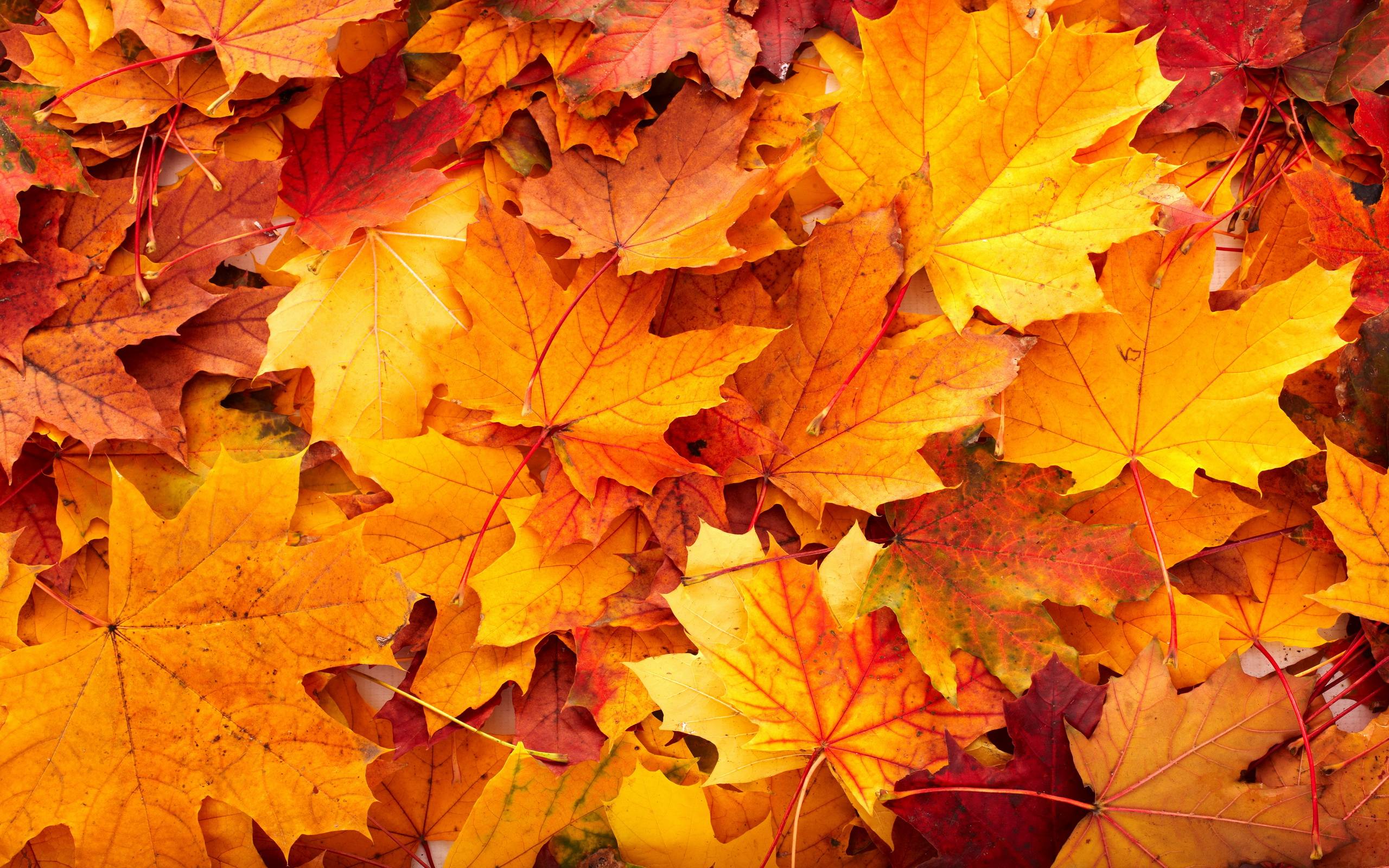
As summer fades and the air starts to cool, trees put on one of the year's most striking shows: their leaves change color, turning forests, parks and tree-lined streets into postcard scenery. But what's actually happening behind that visual spectacle — and why does it happen specifically in autumn?
Chlorophyll:The Engine Behind Photosynthesis
Chlorophyll is the main pigment in leaves, and it's what lets plants capture sunlight and convert it into energy through photosynthesis. During the growing season, a tree produces chlorophyll continuously, which is what keeps its leaves green and actively making food.
As autumn approaches, daylight hours shrink and temperatures drop. Those environmental cues signal the tree to stop producing chlorophyll. As the existing chlorophyll stops being replenished and gradually breaks down, the green fades away — revealing other pigments that were in the leaf all along, just hidden underneath.
The Other Pigments Behind Fall Color
Once chlorophyll disappears, it uncovers carotenoids and anthocyanins — the pigments responsible for the yellow, orange and red of fall foliage.
- Carotenoids are present in leaves all year round, but the green of chlorophyll masks them completely. As chlorophyll fades, yellow and orange tones — like lutein and beta-carotene — shine through. These are the same pigments responsible for the color of carrots or egg yolks.
- Anthocyanins are produced in autumn itself, as sugars build up in the leaf under specific light and temperature conditions. They're responsible for the reddish, purple and violet shades. Their exact function isn't fully understood, but scientists think they may protect leaves from excess sunlight or help slow down leaf fall, both of which could give the plant a survival edge.
How intense and varied the colors get depends on the species, the local climate, and which pigments are present and in what concentration.
What Influences the Color Change
Part of what makes autumn foliage unique is that no two years look quite the same, in either timing or intensity. The main factors at play:
- Sunlight: Fewer daylight hours trigger the drop in chlorophyll.
- Temperature and humidity: Cool nights paired with sunny days tend to produce more vivid colors in certain species.
- Water availability: A drought can cause leaves to wilt and fall before showing their full color range, going straight from green to dry brown.
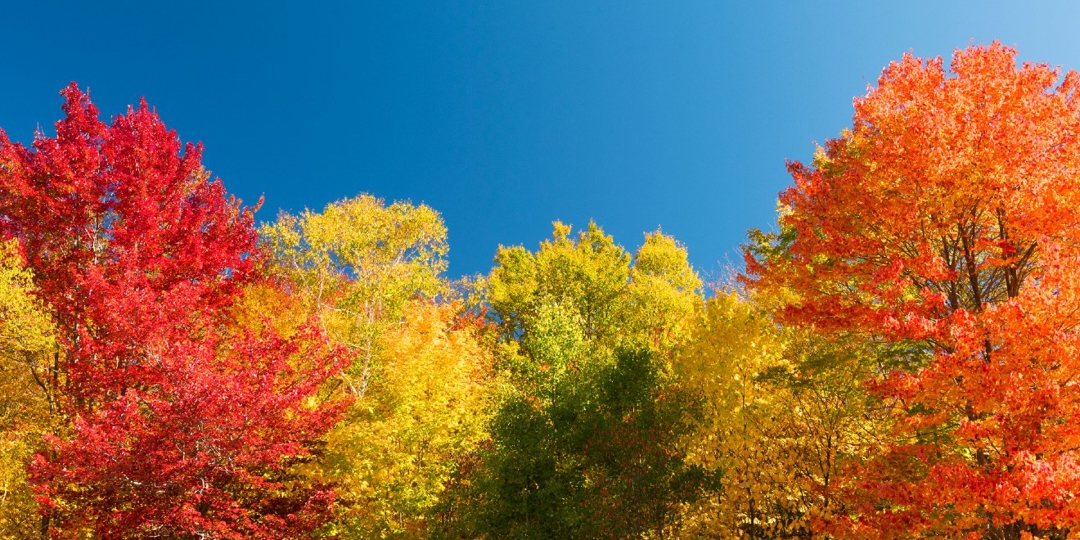
- Species and genetics: Trees like maples and oaks put on especially striking color displays. Even within a single tree, different branches can show different colors depending on how much sun they get.
Do All Trees Change Color?
Not every tree puts on an autumn color show. Deciduous trees — like maples, oaks, poplars and chestnuts — are the ones behind the seasonal display. Evergreens, like pines and cypresses, keep their green foliage year-round.
Even among deciduous trees, there's plenty of variation: red maples can turn a deep scarlet, while quaking aspens tend toward golden yellow.
A Few Fun Facts
- In Japan, the phenomenon is called kōyō, and it's just as popular as cherry blossom season.
- In the United States, autumn color tourism has its own name: "leaf peeping."
- Some leaves start changing color well before they fall, while others hold onto their green right up until just before they drop.