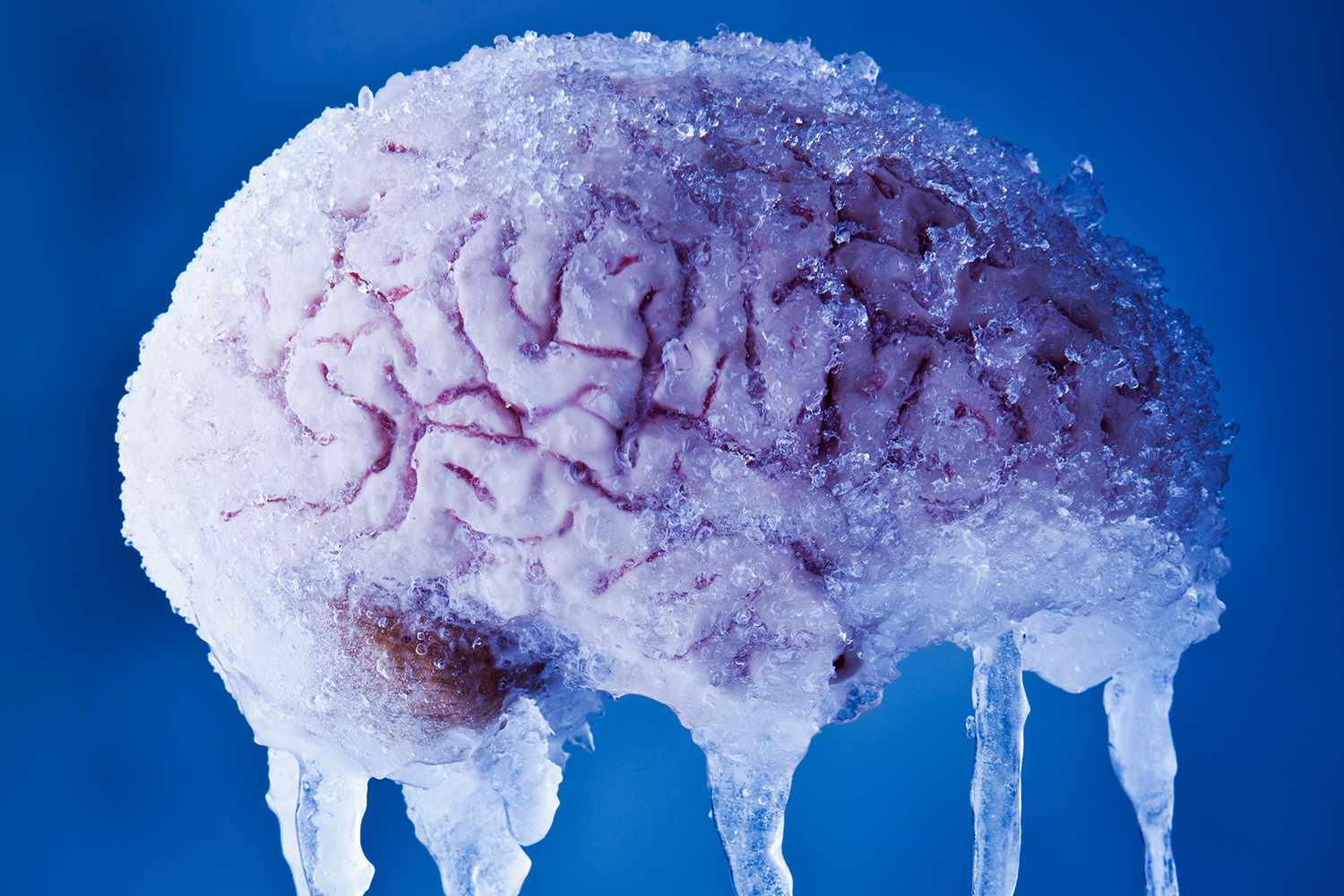
Brain freeze is one of the most universal little miseries there is. It strikes fast, hurts a lot and disappears within a minute or so. Despite that, scientists only started to explain it in the last decade or so.
What brain freeze is
The medical name is sphenopalatine ganglioneuralgia, which roughly means nerve pain around the roof of the mouth. It is also called an ice cream headache or a cold-stimulus headache. It is not limited to ice cream: any very cold food or drink can trigger it, especially when something cold hits the roof of your mouth or the back of your throat quickly.
What happens in your head
In 2012, a team led by Jorge Serrador, then at Harvard Medical School and the VA New Jersey Health Care System, presented a study at the Experimental Biology meeting that looked at the question directly. They recruited 13 healthy adults and had them sip ice water through a straw pressed against the roof of the mouth, the best spot for causing brain freeze. The volunteers raised a hand when the pain started and again when it faded, while Doppler ultrasound measured blood flow in the brain.
The result: when the pain hit, blood flow through the anterior cerebral artery, a vessel that supplies the front of the brain, increased sharply as the artery widened. When the artery constricted again, the pain went away. In other words, the headache appears to line up with a rapid dilation and then constriction of a blood vessel in the brain.
Why would that hurt?
This is still not fully settled. Serrador said at the time that the team did not know exactly what produces the pain itself. One idea is that the sudden rush of blood raises pressure inside the skull, which the brain registers as pain. Another is that nerves near the roof of the mouth react to the cold and the pain is felt in the forehead or temples, a bit like a short-circuit in the signal. The researchers also speculated that the quick widening of the artery might be a kind of protective response, since the brain needs to stay warm and working at all times.
The migraine connection
Serrador’s team chose brain freeze partly because headaches like migraines are hard to study: they are unpredictable. Brain freeze is easy to trigger on demand and ends quickly. Some earlier work had suggested that people who get migraines are more likely to get brain freeze, although the evidence on that link has been mixed. The hope was that understanding the blood-flow changes could eventually help with other types of headaches.
How to stop it
The cold has to be removed, and the quickest way is usually to warm the roof of the mouth. Commonly suggested tricks include:
- Pressing your tongue flat against the roof of your mouth.
- Drinking something at room temperature, or a little warm water.
- Taking the next bite or sip more slowly, so the cold does not hit all at once.
Brain freeze itself is harmless and passes quickly. If you get severe, long-lasting or unusual headaches, that is a different matter and worth discussing with a doctor.