When you speak, your ears pick up the sound of your own voice through two completely different paths at once — and a recording only ever captures one of them. That mismatch is the whole reason your own voice can sound like it belongs to a stranger the moment you hear it played back.
Two Paths Sound Takes to Your Ears
The first path is the same one everyone else uses to hear you: sound waves travel out of your mouth, through the air, and into your ear canal — what's known as air conduction. This is the only version of your voice other people ever hear, and it's exactly what a microphone picks up.
The second path never leaves your own head. As your vocal cords vibrate, those vibrations also travel directly through the bones and soft tissue of your skull straight to your inner ear — a process called bone conduction. Bone tends to carry lower frequencies more efficiently than air does, which means this internal pathway adds extra bass to the voice you hear inside your own head, on top of the air-conducted version arriving at the same time.
What a Recording Actually Captures
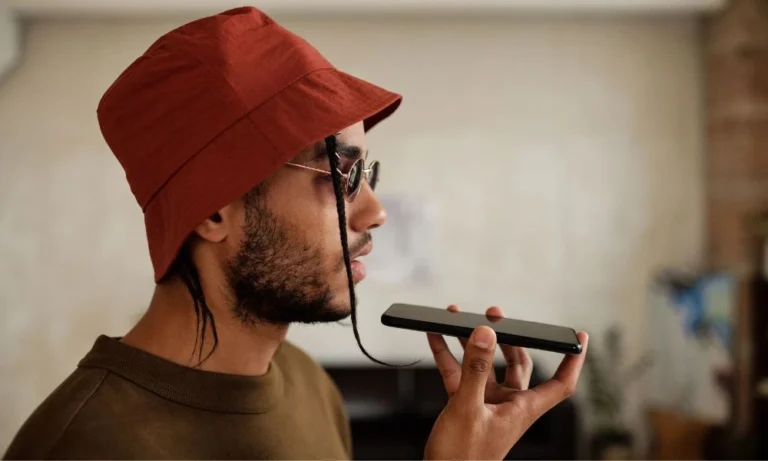
A microphone has no skull to conduct sound through — it only picks up the air-conducted portion of your voice, the same version everyone around you hears every day. Without the extra low-end boost your bones normally add, the recorded version tends to sound thinner, higher-pitched, and noticeably less rich than the voice you're used to hearing in your own head.
In other words, the recording isn't distorting your voice — if anything, it's the more accurate version. What feels "wrong" is actually the one everyone else has heard all along; you're just hearing it, for once, the same way they do.
Why the Difference Feels So Jarring
Part of the discomfort isn't just acoustic — it's psychological. Voice is closely tied to identity, and most people build a strong mental image of "how I sound" based on decades of hearing themselves through bone conduction. Suddenly hearing a thinner, unfamiliar version can feel like a small identity mismatch, on top of the simple fact that most people are more critical of their own voice than of anyone else's.
The good news is that the discomfort tends to fade with repeated exposure. People who record themselves regularly — podcasters, voice actors, public speakers — generally report that their recorded voice stops sounding strange after enough repetition, as the brain adjusts its internal sense of "how I sound" to match the version everyone else has been hearing the whole time.